The Dawn of a New Age (Early 1600s)
Around 1600, Europe shifted from Renaissance poise to Baroque urgency. Artists, architects, writers and musicians sought not only balance but motion—works that would seize the senses and persuade the soul. This week introduces that turn through five touchstones you can hear, see and read in dialogue.
Jump to Music Painting Architecture Literature PhilosophyMusic Claudio Monteverdi — L’Orfeo (1607)
The first great opera: myth, music and theatre fused into a living drama of human passion and divine power.
Study Links
Commissioned for Mantua’s Gonzaga court, L’Orfeo balances Renaissance polyphony with the new expressive recitative and solo song.
Monteverdi sets the myth of Orpheus as a new musical theatre: instrumental colours act symbolically; recitative speaks, aria blooms, and the chorus frames action like architectural pillars. The lesson for conductors: shape macro‑spans so that local ornament never obscures design.
Listen for how a single change of mode or timbre can transform the affekt. Treat tutti returns as structural columns; let solo lines curve like arabesques between them.
Painting Caravaggio — The Calling of Saint Matthew (c. 1600)
A shock of light and gesture: drama staged in a single beam.
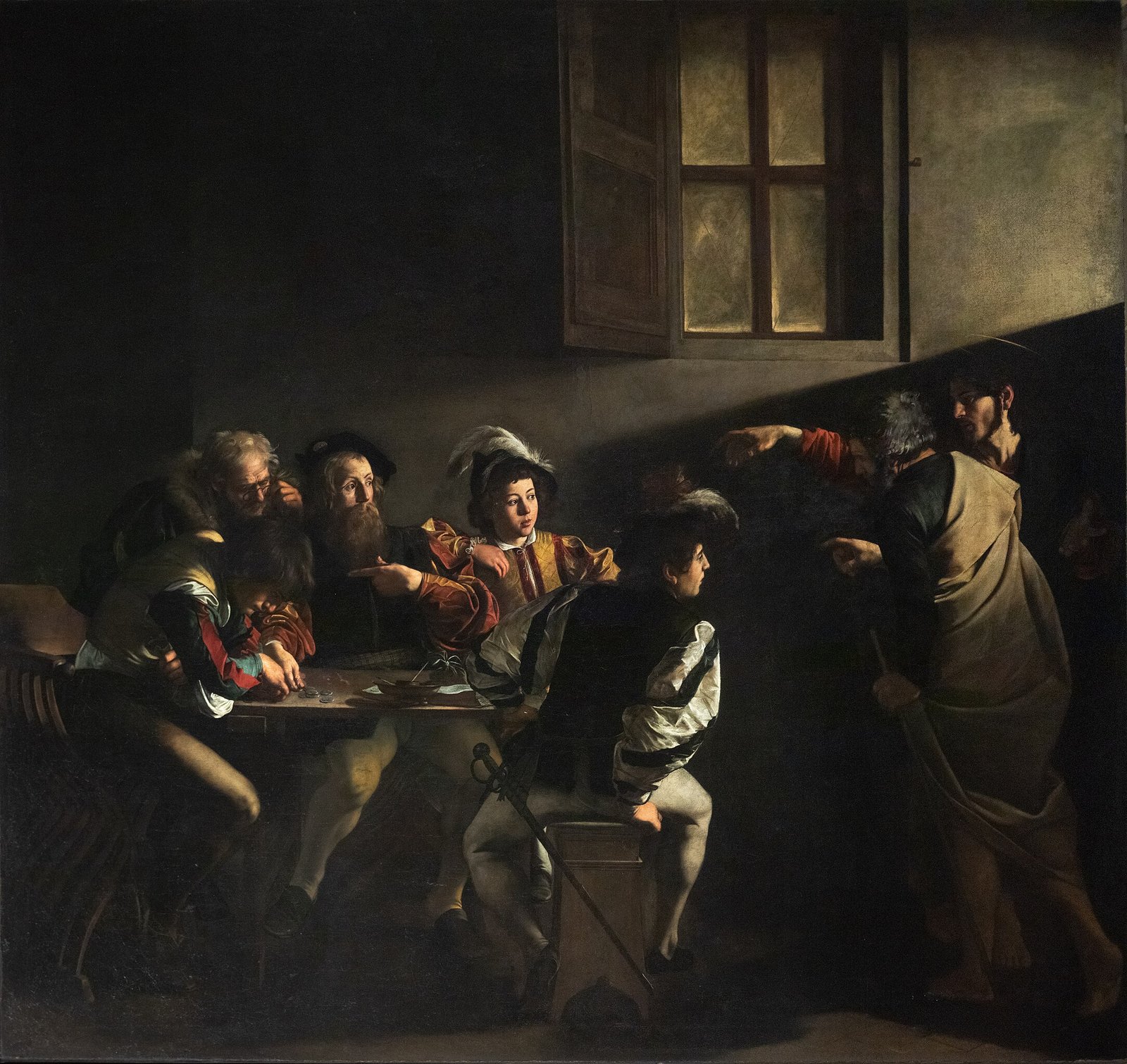
Tenebrism focuses the eye as dynamics focus the ear. Caravaggio composes with diagonals and hands; the beam reads like a crescendo. Translate that into rehearsal: place your strongest colour on the narrative gesture, then let the rest breathe in shadow.
Architecture Il Gesù, Rome — Counter‑Reformation interior
A theatre of persuasion: long nave spans, side chapels like orchestral choirs, and a ceiling that dissolves into glory.

Proportion under ornament: the nave teaches how to feel large spans before gilding them. In performance terms, find the axial line of a movement first, then distribute colour as chapels along the route.
Literature Cervantes — Don Quixote (1605)
A comic epic of perception: how ideals refract reality—and how imagination can rescue it.
“When life itself seems lunatic, who knows where madness lies? Perhaps to be too practical is madness.”
Cervantes plays long arcs against sudden reversals—like large‑scale form against local rubato. Cultivated perception discerns when to honour the big sentence and when a caesura must interrupt.
Philosophy Francis Bacon — The Advancement of Learning (1605)
From authority to experiment: a new method for knowing—and hearing.
Bacon asks us to test rather than assume. For conductors, this is rehearsal method: form hypotheses about balance, try them, listen, revise. Taste is trained feedback.
Leave a Reply